
Water Features That Maintain Clarity
Pond Builder in Cambridge for properties wanting functional water features that support aquatic life without constant algae problems
A properly constructed pond maintains water quality through balanced filtration, circulation, and depth that prevents stagnation and the algae blooms that turn water green within weeks of filling. EasternShore Landworx builds ponds across Cambridge and East New Market designed for the region's warm, humid summers that accelerate nutrient buildup and algae growth if water volume and filtration aren't adequate. You see this when existing ponds require frequent cleaning, when fish struggle during summer heat, or when water clarity never improves despite chemical treatments.
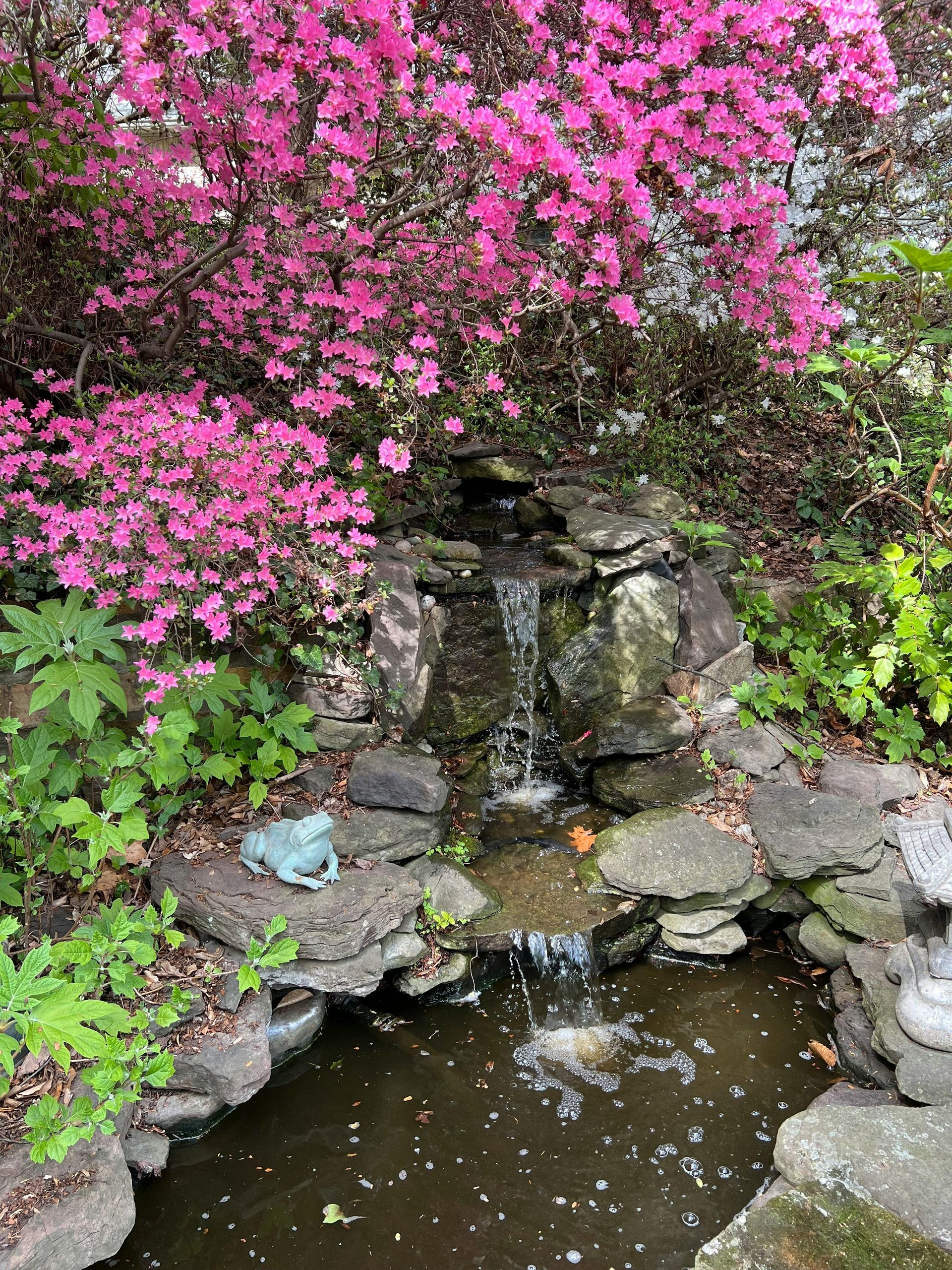
Pond construction involves excavating to depths that provide thermal stability for fish, installing liner systems that prevent water loss through seepage, and designing filtration that processes the full pond volume multiple times daily. Circulation systems include pumps sized for pond volume and waterfalls or streams that aerate water while creating visual interest.
Schedule an on-site assessment to determine optimal pond location based on your property's sun exposure, drainage patterns, and how you intend to use the water feature.
What Changes After Installation Completes
Construction starts with excavation that creates depth zones including shallow edges for plants, intermediate shelves for varied aquatic species, and deep areas that remain cool during summer and provide fish refuge during winter. Underlayment protects liner from puncture by roots or stones, and EPDM rubber or similar materials form watertight barriers that last decades without degradation from UV exposure.
Once the system is running, water remains clear enough to see fish and pond bottom even during summer's peak heat, and you notice that algae growth stays limited to thin films on rocks rather than spreading across the entire water surface. Fish remain active and healthy because dissolved oxygen levels stay adequate through circulation and aeration, and water loss between top-offs is minimal because liner installation eliminated seepage into surrounding soil.
The build also includes edging that transitions visually between water and landscape while preventing soil erosion into the pond, skimmers that remove leaves and debris before they sink and decompose, and planting zones where aquatic vegetation helps process nutrients that would otherwise fuel algae. Proper construction eliminates the common failures where ponds leak continuously, where pumps can't move sufficient water volume, or where shallow depth causes temperature swings that stress fish.
Common Questions About This Service
Pond-related questions typically address ongoing maintenance, how features support fish health, and what prevents the water quality problems seen in poorly designed installations.
- What size pond is needed to keep fish successfully? Minimum depth of three feet in the deepest zone provides thermal refuge during temperature extremes, and volume should exceed 1,000 gallons to maintain stable water chemistry that doesn't fluctuate drastically with small changes.
- How does filtration prevent algae problems? Biological filters convert fish waste and organic debris into less harmful compounds, mechanical filtration removes particles before they decompose, and UV clarifiers kill suspended algae cells that cause green water.
- What maintenance does a pond require in Cambridge? Seasonal tasks include removing accumulated debris, trimming overgrown plants, checking pump and filter function, and monitoring water quality, though well-designed systems require far less intervention than undersized or poorly filtered ponds.
- When should pond construction happen? Installation during cooler months allows plants to establish before summer stress, and completing work before spring gives beneficial bacteria in biological filters time to colonize before fish waste production peaks.
- What factors affect pond cost? Excavation volume, liner size, pump and filtration capacity, whether waterfalls or streams are included, and edging material selection all influence total project cost, with larger and deeper ponds requiring proportionally more infrastructure.
EasternShore Landworx designs pond systems with filtration and circulation scaled to the water volume and fish load you plan to maintain. Request a project estimate based on your intended pond size and whether you want to stock fish or focus primarily on aquatic plants.