
Why Thoughtful Planning Prevents Costly Revisions
Landscape Design in Cambridge for properties requiring layouts that account for drainage, sun exposure, and long-term plant performance
Landscape design establishes where hardscape features, plantings, and functional areas are positioned based on how water moves across your property, where sun and shade fall throughout the day, and how you intend to use outdoor spaces. EasternShore Landworx develops plans for Cambridge and East New Market properties that address site-specific conditions like salt exposure from coastal winds, soil drainage limitations, and seasonal flooding in low areas. Design prevents the common outcome where plants fail because they're placed in conditions they can't tolerate, or where patios and walkways are positioned without regard for water flow and end up directing runoff toward structures.
The process includes site analysis to document existing grade, soil conditions, drainage patterns, and microclimates, then developing layouts that place plants where they'll receive appropriate light and moisture while positioning hardscape to control water movement and create usable space. Plant selection considers mature size, growth rate, and tolerance for the Eastern Shore's humid summers and occasional winter salt spray.
Arrange a site consultation to discuss functional priorities and identify which existing conditions most affect what can be successfully implemented on your property.
What Proper Design Actually Accomplishes
Design work translates general goals like "better curb appeal" or "usable backyard" into specific installations positioned to succeed in your property's conditions. Plans specify plant varieties suited to your soil pH and drainage, hardscape materials appropriate for your exposure and use patterns, and grading adjustments needed to direct water away from problem areas.
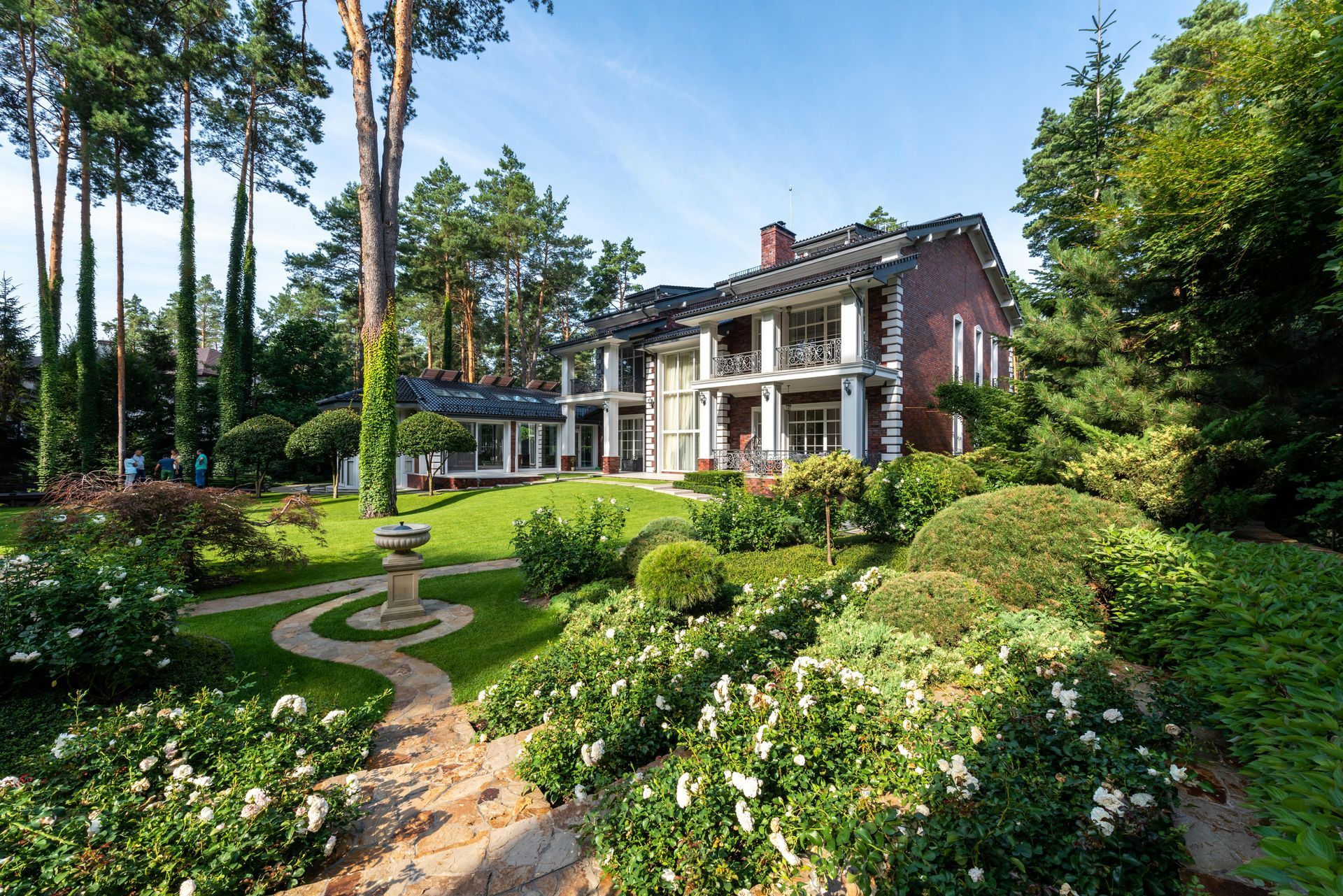
With a completed design guiding installation, your landscape develops as anticipated rather than producing surprises like plants that outgrow their space within two years or paved areas that channel water toward the foundation. Maintenance requirements match what you're willing to perform because plant selection considers how much pruning, fertilization, and irrigation each variety demands. The yard functions cohesively with clear transitions between lawn, planting beds, and hardscape rather than appearing as disconnected elements added incrementally without overall planning.
Design services range from full property master plans that guide phased implementation over multiple years, to focused plans for specific areas like front entries or backyard entertainment spaces. The level of detail varies based on project complexity, but all plans include plant lists with quantities, hardscape specifications, and grading notes that ensure installations address drainage and functionality.
Questions Before Starting Your Project
Design questions often center on what the process involves, how site limitations affect options, and how plans translate into actual installations.
- What information is gathered during site analysis? Measurements document property boundaries and existing features, soil tests reveal pH and drainage characteristics, and sun exposure is tracked to identify full sun, partial shade, and full shade zones that determine plant selection.
- How does design address poor drainage in Cambridge? Plans incorporate grading changes to redirect surface flow, specify locations for subsurface drainage components, and select plants that tolerate wet soil for areas where moisture naturally accumulates.
- What's the difference between a concept plan and a detailed design? Concept plans show general layout and major features to establish overall direction, while detailed designs include specific dimensions, material specifications, and planting plans with exact varieties and spacing for installation.
- How are plant choices made for Eastern Shore conditions? Selection prioritizes species that handle humidity, occasional salt exposure, and soil conditions common in the region, while avoiding varieties that require constant intervention to survive local climate stress.
- What happens after design is complete? Plans guide installation whether you implement the full design at once or phase work over multiple seasons, and having a cohesive plan ensures later additions integrate properly rather than conflicting with earlier work.
EasternShore Landworx creates designs that reflect how your property's grade, soil, and exposure affect what will perform successfully long-term. Request a design consultation to review your site's specific opportunities and constraints.