
Outdoor Spaces Built for Durability
Hardscaping in Cambridge for properties needing functional outdoor living areas that withstand coastal weather
EasternShore Landworx installs hardscape features across Cambridge and East New Market that stand up to the region's wet spring seasons and temperature swings. The service addresses properties where soil erosion, standing water, or lack of defined outdoor space limit how you can use your yard. Proper hardscaping creates stable surfaces that drain correctly and resist the freeze-thaw cycles common along the Eastern Shore.
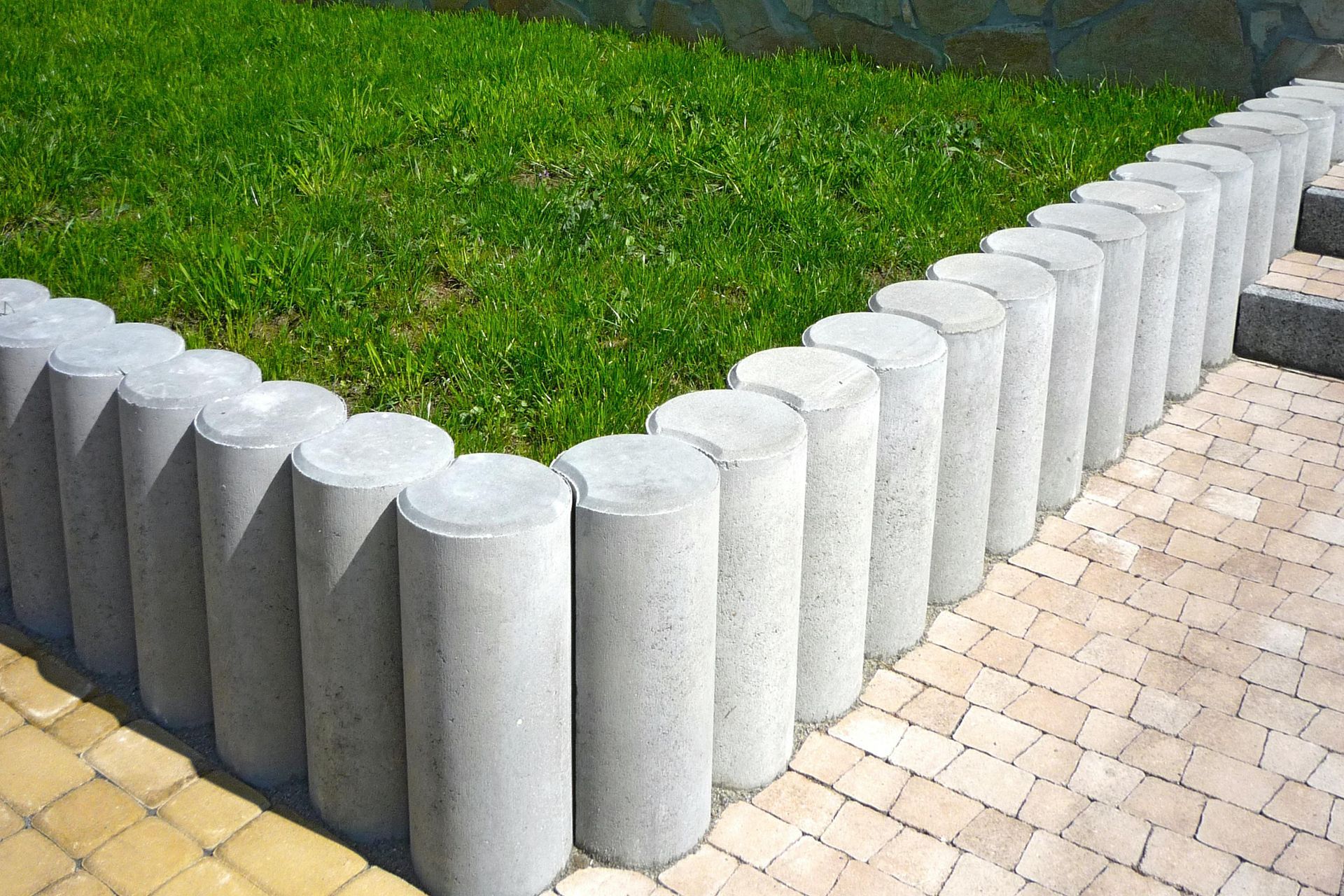
Hardscaping involves installing permanent landscape features like patios, walkways, retaining walls, and outdoor steps using materials such as pavers, natural stone, or concrete. The work includes excavating to proper depth, establishing a compacted base that won't shift under weight or water movement, and setting materials with attention to slope and drainage patterns that prevent water from pooling against structures.
Schedule a property evaluation to identify which hardscape features would address your site's drainage and usability concerns.
What Proper Installation Requires
The installation process begins with site assessment to identify existing grade, water flow patterns, and soil composition, which determines base depth and material choice. Base preparation typically involves excavating four to eight inches depending on soil stability, then compacting layers of crushed stone to create a stable foundation that won't settle unevenly over time.
Once complete, you notice that paved areas shed water away from your home's foundation rather than directing it toward the structure, and walkways remain level without the dips and rises that develop when paths are installed without adequate base preparation. Retaining walls hold back soil on sloped properties without leaning or cracking, and patio surfaces remain stable underfoot even after heavy rain saturates the surrounding ground.
The work also addresses edge restraints that prevent pavers from spreading apart, joint sand or polymeric sand that locks individual units together, and sealing when appropriate for the material and exposure level. Climate considerations in Cambridge include accounting for the high water table in some areas and ensuring winter freeze-thaw cycles won't destabilize the installation.
What Property Owners Usually Ask
Questions about hardscaping often focus on material longevity, maintenance requirements, and how installations perform in the Eastern Shore's variable weather conditions.
- What materials work best in Cambridge's climate? Natural stone and quality concrete pavers handle freeze-thaw cycles better than lower-grade materials, and proper base preparation matters more than the surface material itself when it comes to preventing settling or shifting over time.
- How does hardscaping address drainage problems? Installations are graded to direct water away from structures and toward drainage areas, and permeable paver options allow water to filter through the surface rather than running off, which reduces pooling in low areas of your property.
- What preparation happens before installation begins? The site is excavated to remove organic material and unstable soil, then base layers are installed and compacted in lifts to achieve the density needed to support weight and resist settling.
- When should hardscape maintenance happen? Joint sand may need replenishment every few years depending on weather exposure, and sealing stone or concrete surfaces every three to five years protects against staining and surface degradation from moisture penetration.
- What factors affect project cost? Material choice, site accessibility, amount of excavation required, and whether retaining walls or grade changes are needed all influence the scope and cost of hardscape installations.
EasternShore Landworx designs hardscape installations based on how water moves across your specific property and how you intend to use the outdoor space. Request a detailed estimate that accounts for your site's drainage patterns and soil conditions.